Top Pickering General Contractor for Residential and Commercial Improvements
Dependable General Contractor: Constructing Dreams Into Reality
A reliable general contractor plays a pivotal role in turning architectural plans into physical structures. By coordinating timelines and budgets, they guarantee projects go smoothly. Their expertise creates a collaborative environment, necessary for minimizing risks. Nevertheless, not all contractors are created equal. Understanding how to identify the right one is fundamental for any successful project. What essential qualities should one find, and how can they influence the overall outcome?
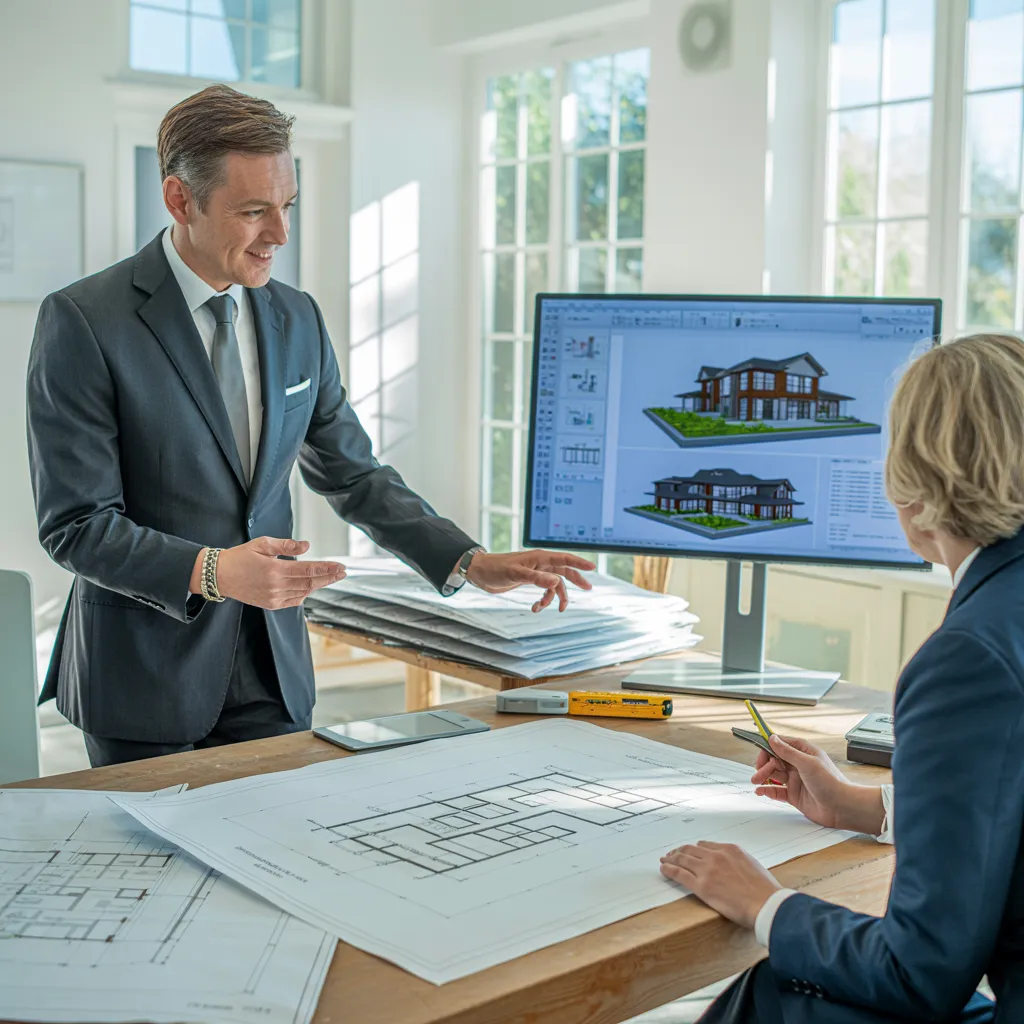
How Can You Spot a Reliable General Contractor?
What method can someone apply to evaluate a general contractor's reliability? Assessing a contractor's reputation remains crucial. An practical strategy involves requesting recommendations from friends, family, or online reviews, which supply details regarding previous work and patron contentment. Also, checking proper licensing and insurance ensures that the contractor adheres to professional norms and shields from possible risks. Inspecting previous work, whether through portfolio samples or site visits, allows you to measure the standard of their workmanship.
Furthermore, collecting various estimates facilitates assessment of pricing and project schedules, bringing to light any discrepancies that may indicate unreliability. Effective correspondence is another crucial component; a trustworthy service provider should be responsive and clear in their dealings. Finally, verifying references can furnish valuable insights about a service provider's work ethic and dependability. By following these steps, one can make informed decisions when selecting a construction contractor for building projects.
Core Competencies of a Skilled General Contractor
An outstanding construction professional demonstrates critical attributes that guarantee project success. Strong communication skills facilitate transparent communication with customers, subcontractors, and suppliers, while established track record in project oversight assures timely and budget-conscious delivery. These attributes are crucial in bringing ideas to life.
Excellent Interactive Competencies
While effective project management is essential for a general contractor, robust communication abilities often serve as the cornerstone for successful collaborations. These skills allow a contractor to clearly convey project objectives, guaranteeing that all team members and stakeholders are aligned. Effective communication builds trust, permitting for transparent discussions concerning timelines, budgets, and changes. A good general contractor carefully hears out clients, subcontractors, and suppliers, addressing concerns promptly and adapting to feedback. This two-way dialogue not only enhances problem-solving but also creates a positive working environment. Additionally, clear communication reduces misunderstandings, which can lead to costly delays or errors. Ultimately, strong communication skills empower a general contractor to manage obstacles efficiently, ensuring that projects progress smoothly from inception to completion.
Proven Project Management Experience
Showing verified project management experience is important for any general contractor working toward success. Effective project management means thorough planning, resource allocation, and timeline adherence. A seasoned contractor shows an ability to coordinate various teams, making sure architects, engineers, and subcontractors cooperate smoothly. Moreover, they skillfully handle challenges, using problem-solving skills to keep projects on track and within budget. Their experience helps them foresee potential issues, reducing risks before they develop. In addition, strong project management promotes transparency, allowing clients to remain informed throughout the construction process. By focusing on quality control and maintaining safety standards, a general contractor with proven experience not only produces outstanding results but also fosters lasting relationships rooted in trust and reliability.
The Perks of Working with a Trustworthy General Contractor
Retaining a reputable general contractor offers noteworthy benefits in any construction undertaking. Their expertise and experience guarantee that tasks are done to rigorous standards, while also enhancing time and cost efficiency. This combination allows residents and corporations to emphasize their vision without the tension of project management.
Proficiency And Experience
Working with a trusted general contractor offers a rich supply of skill and capability to any construction project. Their thorough knowledge of building codes, regulations, and industry standards guarantees that each phase of the construction process is aligned and effective. Experienced contractors have sharpened their talents through many projects, enabling them to foresee potential issues and create effective solutions. Their strong relationships with subcontractors and suppliers additionally improve the quality of work and materials used. Moreover, a reliable general contractor has strong project management abilities, coordinating timelines, budgets, and resources efficiently. This expertise not only mitigates risks but also promotes a collaborative environment, transforming a client’s vision into a tangible reality while ensuring high standards throughout the construction journey.
Schedule and Cost Savings
A dependable general contractor considerably boosts both time and cost efficiency in construction projects. By managing multiple subcontractors and suppliers, they simplify workflows, cut down delays, and ensure tasks are done promptly. Their strong connections within the industry frequently produce better rates on materials and labor, decreasing overall project expenses. In addition, a experienced contractor preemptively spots potential problems, allowing for quick solutions that avert costly setbacks. Their expertise in project management enables effective resource allocation, ensuring that labor and materials are used efficiently. Finally, choosing a trustworthy general contractor not only quickens project timelines but also preserves the budget, delivering clients peace of mind and trust in their investment.
Enhancing Your Project With a Contractor
Effective project management often depends on the expertise of a general contractor. By functioning as the central hub in the construction process, a general contractor coordinates various components of the project, ensuring seamless interaction among subcontractors, suppliers, and clients. This integrated approach minimizes delays and reduces the likelihood of miscommunication, which can lead to expensive mishaps.
A project leader streamlines the execution by establishing distinct timelines and schedules, allowing all stakeholders to stay connected to project milestones. They also hold the insight to recognize complications, enabling aggressive problem-solving. Additionally, they manage authorizations and quality checks, alleviating the onus on consumers and ensuring adherence with local ordinances.
In the end, the involvement of a talented general contractor changes complex projects helpful information into manageable tasks, letting homeowners and developers to concentrate on their vision while relishing peace of mind throughout the construction process. This teamwork encourages a more effective and successful project outcome.
Top 5 Mistakes to Avoid When Choosing a Contractor
How can homeowners guarantee they pick the right contractor for their project? Avoiding common pitfalls is essential. First, homeowners should avoid choosing a contractor solely based on the lowest bid. Quality often comes at a price, and a low estimate may suggest inadequate experience or hidden costs. Second, failing to check references can lead to selecting someone untrustworthy or unreliable. Third, neglecting to verify licenses and insurance can expose homeowners to legal and financial liabilities. Fourth, not reviewing project timelines in detail may result in unexpected delays and frustrations. Ultimately, homeowners often overlook the importance of clear dialogue. A contractor who doesn't listen to concerns or provide updates can cause misunderstandings. By steering clear of these mistakes, homeowners can enhance their chances of selecting a contractor who will effectively bring their vision to life.
Key Questions to Consider Before Signing a Agreement?
What fundamental questions should homeowners examine before putting pen to a document with a tradesperson? Before anything else, they should look into the contractor's licensing and coverage status. Solid credentials defend homeowners from unforeseen liabilities. Next in line, seeking references and looking over past projects can render insight into the tradesperson's reliability and standard of work. Homeowners should also address timelines—understanding the projected start and completion dates is critical for planning.
Additionally, defining payment terms is essential; homeowners must know the deposit required and the schedule for additional payments. Moreover, homeowners should question what will happen if unexpected issues occur during the project, including order modifications and how they will be handled. Finally, grasping warranty terms on both workmanship and materials can deliver confidence. By resolving these questions, homeowners can make informed decisions and set up a firm base for their project.
Building a Long-Term Relationship With Your General Contractor
Creating a meaningful connection with a general contractor can greatly enhance the overall satisfaction of a home remodeling or building project. Strong dialogue is the bedrock of this connection, fostering honesty and clarity. Homeowners should focus on open dialogue, discussing expectations, timelines, and spending limits early in the undertaking.
Ongoing interactions and updates can help tackle issues promptly, ensuring that both parties stay coordinated throughout the project. Additionally, recognizing the contractor's expertise can build mutual respect and encourage a collaborative atmosphere.
Being adaptable is also essential; recognizing that obstacles may occur can pave the way for problem-solving and adaptation. A good rapport can lead to better quality work, as contractors are more inclined to dedicate additional time when they feel valued. In the end, a lasting partnership with a general contractor not only supports a successful project but can also generate opportunities for future collaborations.
Frequently Posed Questions Section
What Method Do General Contractors Use for Unexpected Project Changes?
General contractors manage unexpected project changes by evaluating the situation, communicating with stakeholders, modifying schedules and financial allocations, and deploying corrective measures. Flexibility and problem-solving skills are essential in keeping projects progressing smoothly despite unexpected obstacles.
What Forms of Projects Do Construction Professionals Ordinarily Supervise?
General contractors regularly handle multiple kinds of jobs, including home improvements, corporate building, public works projects, and specialized installations. Their expertise covers coordination, cost estimation, and planning timelines, making certain project success across multiple construction types and complexities.
What Is the Method of Payment Plans When Dealing With a General Contractor?
Payment schedules with a general contractor normally include initial contributions, then followed by milestone-based payments contingent on project milestones. Final payments are finalized upon project completion, maintaining both parties keep aligned on fiscal responsibilities throughout the construction process.
Is it feasible for a building contractor to Assist With Permits and legal requirements?
A general contractor can certainly assist with permits and regulations. They typically work through regional construction standards, file necessary documentation, and guarantee adherence to regulations, making things easier for property owners and preventing costly regulatory problems.
What unfolds if the Project overruns the foundational cost estimate?
If a undertaking surpasses the initial budget, the contractor usually communicates the causes for the rise. They may suggest modifications, obtain client approval, and investigate budget-reducing alternatives to maintain the work on track.